


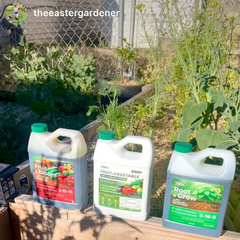
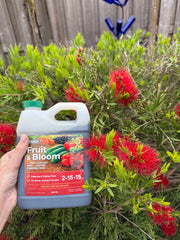


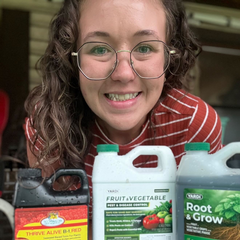


Brought my tomatoes back, I thought that they were gone. Mixed a 5 gal bucket and put on them and within a week they were back going strong.

menu_book
Free Harvest Handbook With Every Order

4.8/5 from 24 verified reviews
8 Vegetables You Can Still Plant in Florida This September (#5 Might Surprise You)
Somewhere up north right now, a gardener is pulling dead tomato vines and calling it a year. Most garden advice told them to. Here is the thing: that advice was written for Ohio.
You garden in Florida. Your soil rarely freezes, and the season that starts THIS month is the one Florida gardeners quietly brag about all winter. Eight crops to prove it, with real dates for North, Central, and South Florida. Read to #5 before you decide this list is like all the others.

1
Collards First: The Crop That Does Not Wait for Cool
While the rest of your fall list waits for nights to break, collards go in NOW, Jacksonville to Miami. September heat that flattens lettuce barely slows them, and the first light chill later on tends to turn the leaves sweeter.
Set transplants about 18 inches apart and plan on cutting outer leaves for months; one healthy plant can keep a family's greens pot going into winter. They are heavy leaf builders, so feed the leaf: Brassicas & Greens 8-3-3 at 1 teaspoon per gallon every 1 to 2 weeks supports that cut-and-come-again rhythm.
That is the easy one. The next three are about timing, and timing is where Florida fall gardens are won or lost.

2
Kale: The 55-Day Sprint to Halloween Salads
Fall kale is a different vegetable from the bitter summer stuff. Planted into cooling weather, most varieties reach first harvest in roughly 55 to 65 days: set transplants this month in North and Central Florida and you are harvesting by Halloween. South Florida, start seeds now and plant out as nights settle.
Deep green color is the tell of a well-fed bed. The chelated iron and zinc in Brassicas & Greens stay available to roots even when soil pH is not perfect, and in sandy Florida beds it usually is not.

3
Lettuce: A Short Row Every 2 Weeks Beats One Big Bed
Here is the succession trick most people learn a year too late: do not plant one big lettuce bed that arrives all at once and bolts together. Sow a 3-foot row, wait two weeks, sow another. Each row reaches harvest size roughly 30 to 45 days after sowing, and from late September to March that rhythm keeps a Florida kitchen in salads continuously.
Lettuce roots are shallow; they cannot dig for dinner. A gentle liquid feed watered in at the base reaches the whole root zone within hours, which is the entire argument for liquid in one sentence.
Next up: the one your December table will thank you for.

4
Broccoli: Plant in September, Carve It in December
A broccoli head is a savings account: everything the plant banks in October gets withdrawn at the holiday table. Transplants go out September into October in North and Central Florida, a few weeks later down south, and run roughly 70 to 90 days from transplant to a head worth photographing.
The foundation decides the head, so feed steadily while those big early leaves build. Check your local first-frost date and count backward; most of Florida has margin to spare, which is precisely the luxury the North just lost.

5
#5. Green Beans in the Fall. Yes, Really. Here Is Why It Works
Every national list stops at leafy greens, because up north the bean window died in August. Florida gets a full second bean season: bush beans sown in September love the still-warm soil, sprint to picking size in roughly 50 to 60 days, and finish before any real chill reaches most of the state. A 10-foot double row can hand you picking after picking through November.
Now an honest note a fertilizer company probably should not print: beans make much of their own nitrogen, so they need little help with leaves. What carries a bean row is below the surface, and that is the job of Root & Grow 8-16-8 at sowing: its phosphorus and potassium support the root system and pod set that decide the crop. Right product, right job. That is the whole YARDi philosophy on one row of beans.

6
Mustard and Turnips: 30 Days to the Fastest Win in the Garden
Want proof Florida fall is real before the month ends? Sow mustard greens: harvest size in about 30 days. Turnips run a double play: tender greens off the top in about a month, and the turnip itself, the round root vegetable, ready to pull in about two. A 4-foot row of each, sown this weekend, is a side-dish factory by mid-October.
Cut-and-come-again crops start rebuilding leaves as soon as you harvest them. A consistent feeding rhythm supports that regrowth, and the row keeps producing.

7
Cabbage: The Anchor Crop With the 90-Day Payoff
Cabbage wants exactly what a Florida fall delivers: a long, mild runway with no panic at the end. North Florida plants this month, Central and South follow into October and November, and heads size up over roughly 70 to 100 days depending on variety.
It is the hungriest thing on this list. Gardeners who feed cabbage on a schedule and gardeners who do not are growing two very different vegetables by December. Steady beats heavy, little and often wins.

8
Cilantro and Dill: The $4 Grocery Line You Get to Delete
All summer, Florida heat sends cilantro to seed before the second cutting. From late September on it finally behaves, and dill right along with it. Sow direct, cut for months, and delete the limp $4 clamshell from the grocery list through the holidays.
Now stack all eight and look at what September actually is here: collards and kale feeding you by Halloween, beans through November, broccoli and cabbage at the holiday table, lettuce until spring.
Quick self-check before you scroll on: count how many of these eight fit your space. Three or more, and you do not have a cleanup job this month. You have a fall garden.
Real reviews from verified YARDi gardeners
Real Gardeners. Real Harvests.
YARDi Launch Special: Free Grower's Guides With Every Order
Real guidance that takes the guesswork out of growing, free with every YARDi order.
The Harvest Handbook, your complete growing playbook
24 Bloom-Boosting Secrets for more flowers and fruit
The Quick-Start Bloom Guide, start strong from day one

4.8/5 from 24 reviews. Trusted by 1,000+ home gardeners
Feed Your Florida Fall Garden
Every order ships with the free YARDi Harvest Handbook and our 30-day Grow-or-it's-FREE guarantee. Per-gallon costs shown include shipping.
1 Bottle
192 gallons. Harvest Handbook free
2999 ≈20¢/gal- MOST POPULAR
2 Bottles
384 gallons + FREE shipping
MOST POPULAR5998 ≈16¢/gal - BEST VALUE
3 Bottles
Save 10%576 gallons + FREE shipping
BEST VALUE89978097 ≈12.5¢/gal8997
verified_user
30-DAY Grow-or-it's-FREE GUARANTEE
Reviews from verified buyers across the YARDi line
YARDi Reviews
Why Fall Gardeners Are Switching to Liquid Feed
Your fall window is measured in weeks, not months, so feed speed matters more in September than it does in June. Here is how the formats stack up.
YARDi Brassicas & Greens
Granular Feed
Fertilizer Spikes
Compost
How fast it feeds
Within hours
Days to weeks
Weeks
Months
How you apply it
Mix with water
Spread and rake in
Push into the soil
Spread and dig in
Works with a hose-end sprayer
Feed through the leaves
Works through drip and soaker lines
Builds soil over the long term

Join 1,000+ home gardeners
The Window Is Open. It Does Not Stay Open.
North Florida's prime collard and kale window runs roughly now through mid-October. Central and South Florida get longer, but every week you wait is a week of harvest you do not get back on the other end.
One 32 ounce bottle of Brassicas & Greens makes up to 192 gallons of feed, about 16 cents a gallon, which carries an entire Florida fall garden with room to spare. Free shipping on any 2 or more bottles. The Harvest Handbook comes free with every order. And the 30-day Grow-or-it's-FREE guarantee means you see results or get every penny back and keep the bottle.
Plant the garden the North cannot have.

Simple plant nutrition for every gardener. Rooted in what matters.