Advertorial

Trending With Home Gardeners

Say Goodbye to All Leaves and No Fruit, For Good

YARDi Fruit & Bloom 2-15-15 liquid fertilizer 32 oz bottle, enriched with kelp extract

Gardener Reviews

4.9

Based on 16 reviews

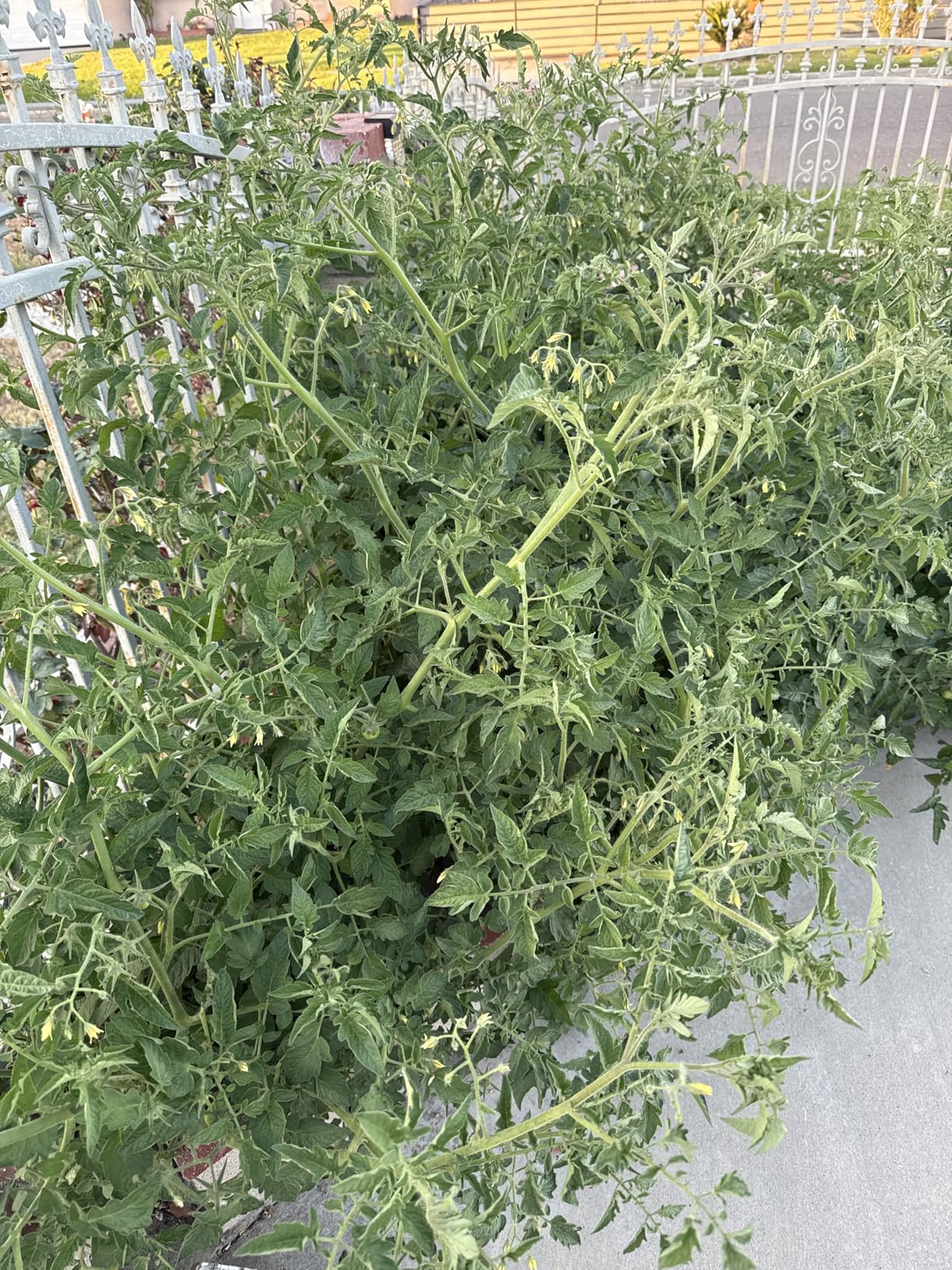
My Tomato Plants Were Six Feet of Beautiful Leaves and Almost No Fruit. Then a Professional Grower Told Me What to Stop Feeding Them.

I am one of the growers behind YARDi. Before that, I was the gardener with the biggest, greenest plants on the street and the emptiest harvest basket. This is the story of the mistake I made for years, the two-minute fix that turned my Augusts around, and why a teaspoon now decides what my family picks later.

By the YARDi Growing Team
Updated July 10, 2026 · 9 minute read

The first Saturday of last August, my neighbor stood at my garden fence holding one of my tomatoes like it was evidence. "Okay," he said. "What are you doing differently?"

I laughed, because three summers earlier I was the one asking that question. Back then his plants were half the size of mine and somehow loaded with fruit, while my gorgeous, chest-high tomato plants gave me almost nothing worth picking.

If you have ever stood in front of a big, healthy, deep-green plant in August and wondered where the actual tomatoes are, this article is for you. Because the answer changed the way I grow everything.

The August I Counted Seven Tomatoes

Three summers ago I did everything the internet told me to do. Rich soil. Full sun. Faithful watering at dawn or dusk. By the Fourth of July my four tomato plants were taller than the fence and green enough for a seed catalog cover.

That August, I counted my entire harvest standing in one spot: seven tomatoes. My kids had picked out a harvest basket in June. We never filled it.

So I did what most of us do. I tried harder:

Watered deeper and more often, in case they were thirsty

Doubled up on all-purpose fertilizer, in case they were hungry

Added epsom salts, because a gardening group swore by them

Pruned harder, then blamed the bees, the heat wave, and the seeds

Bought bigger transplants the next spring and started the same cycle again

Every one of those "fixes" gave me bigger, prettier plants. None of them filled the basket. And here is the part I did not understand at the time: a couple of them were quietly feeding the problem.

I was growing beautiful plants. I just was not growing food.

Then a Professional Grower Asked Me One Question

Through work I ended up around people who grow food for a living. I told one of them about my seven tomatoes, and he asked exactly one question: "What are you feeding them once they flower?" I told him the truth: the same all-purpose feed I use all season. He nodded like he had heard it a thousand times. What he explained next is the most useful thing I have learned about growing.

The problem is almost never your soil, your sun, or your effort. It is the feed, and the timing. Most plant foods are nitrogen-heavy, which tells your plant one thing: grow more leaves. At the exact moment it should be pouring its energy into flowers and fruit, it is busy making foliage instead.

Here is what nobody tells you...

Granular feed makes it worse. It has to sit in the soil and slowly break down for weeks before your plant can use any of it. By then, the bloom window, the short stretch when flowers turn into fruit, has already passed.

So how do you actually fix it?

You feed the right nutrients, in a form the plant can use immediately, at the exact moment buds appear. High phosphorus and potassium for flowers and fruit. Low nitrogen so energy goes where you want it. And a liquid, so it works in hours, not weeks.

The rule that changed my Augusts: feed for the stage the plant is in. Early in the season, a balanced feed provides what a young plant uses to build roots, stems, and leaves. Once buds appear, a low-nitrogen feed with phosphorus and potassium provides what the plant uses for flowers, fruit set, and ripening, so it can make its natural shift to producing. That is the whole secret.

This Is the 2-15-15 We Ended Up Making

YARDi Fruit & Bloom is the bloom-window feed I wished I could buy back then: a low-nitrogen 2-15-15 liquid with chelated iron and zinc and kelp extract (Macrocystis pyrifera), a natural plant biostimulant. One teaspoon per gallon, every week or two, from first buds through harvest.

192 gallons per bottle · about 16 cents per gallon · 30-day Grow-or-it's-FREE guarantee

What Happened in My Beds, Week by Week

This is my garden, not a lab, and every garden is different. But here is how the first season on a bloom-window feed played out for me, because it matches what gardeners tell us again and again.

Week 1: I swapped feeds. One teaspoon per gallon in a watering can at the base of each plant, at dusk. Two minutes, done.

Week 2: new flower clusters on all four plants, the first mid-July flush my garden had ever produced.

Weeks 3 to 4: flowers held on and set fruit instead of dropping. First new trusses of green tomatoes.

Weeks 6 to 8: picking every day or two, and the peppers and squash on the same feed told the same story.

Labor Day: my neighbor at the fence, holding one of my tomatoes, asking what changed.

Results vary with plant, soil, and season, and the label is the final word on how to feed. But when the feed finally matches the stage, you can often watch the plant respond within a couple of weeks.

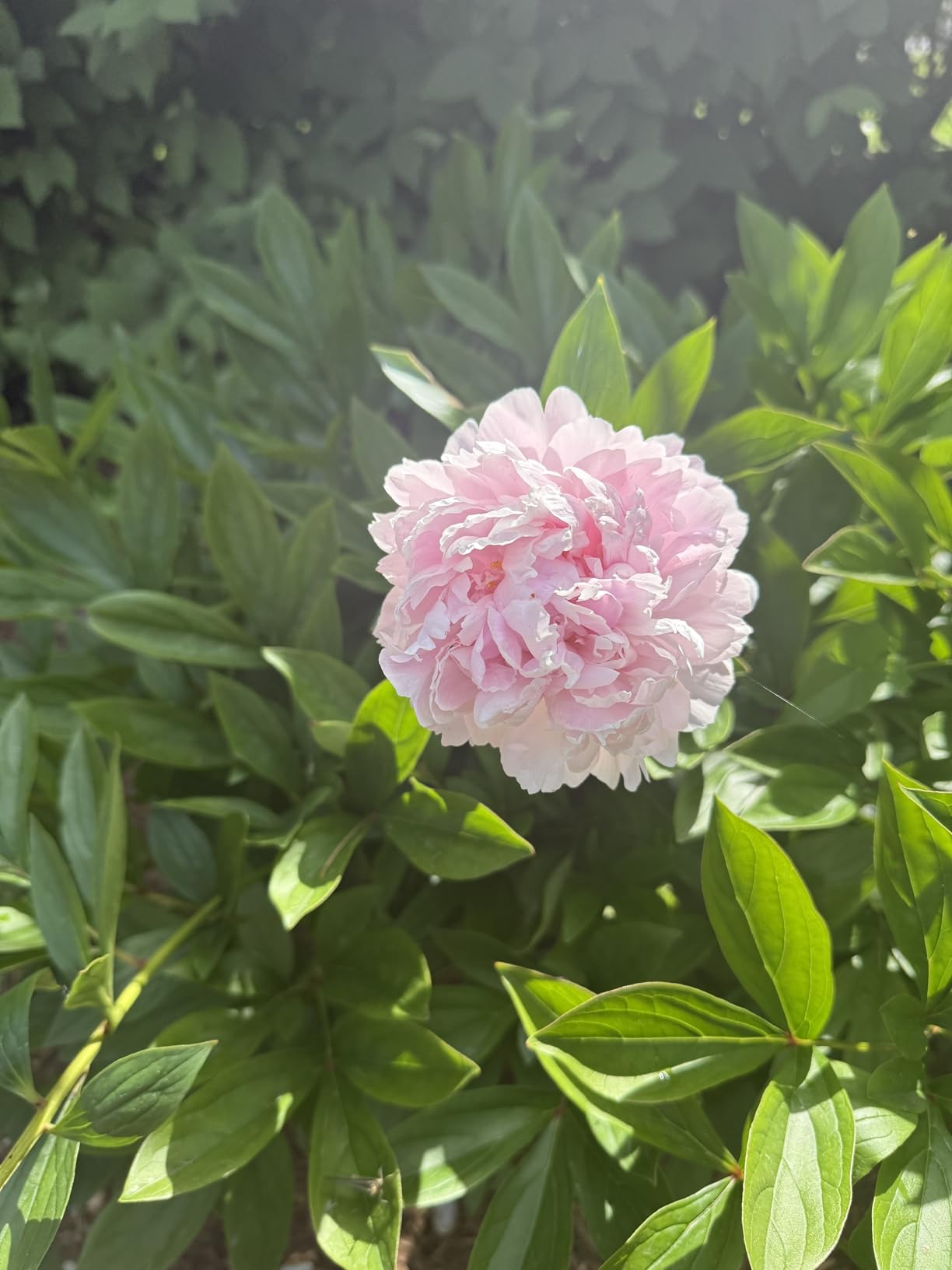
The part I did not expect: the front-yard roses. Same teaspoon, same watering can, and they gave us the best bloom year we have had.

Feed the Bloom Window Right, in About 2 Minutes a Week

It comes down to a simple liquid feeding, done at the right time. One teaspoon in a gallon of water, poured at the base or sprayed on the leaves, every week or two once buds appear. No programs, no measuring rigs, no guesswork. The plant does the rest.

Meet YARDi Fruit & Bloom

Fruit & Bloom Feature

YARDi Fruit & Bloom is a fast-acting 2-15-15 liquid plant food built for exactly this: the flowering and fruiting stage. High phosphorus and potassium, low nitrogen, and chelated iron and zinc that absorb fast and stay available. Then it adds the part most plant foods leave out, a natural kelp extract plant biostimulant (Macrocystis pyrifera) that may improve how well your plants take up and use nutrients. It is already dissolved, so your plants can drink it up within hours. One 32 ounce bottle makes up to 192 gallons of feed, an entire season for most gardens.

G S

Amazing results, lots of growing fruit

Reviewed in the United States on May 14, 2026

Verified Purchase

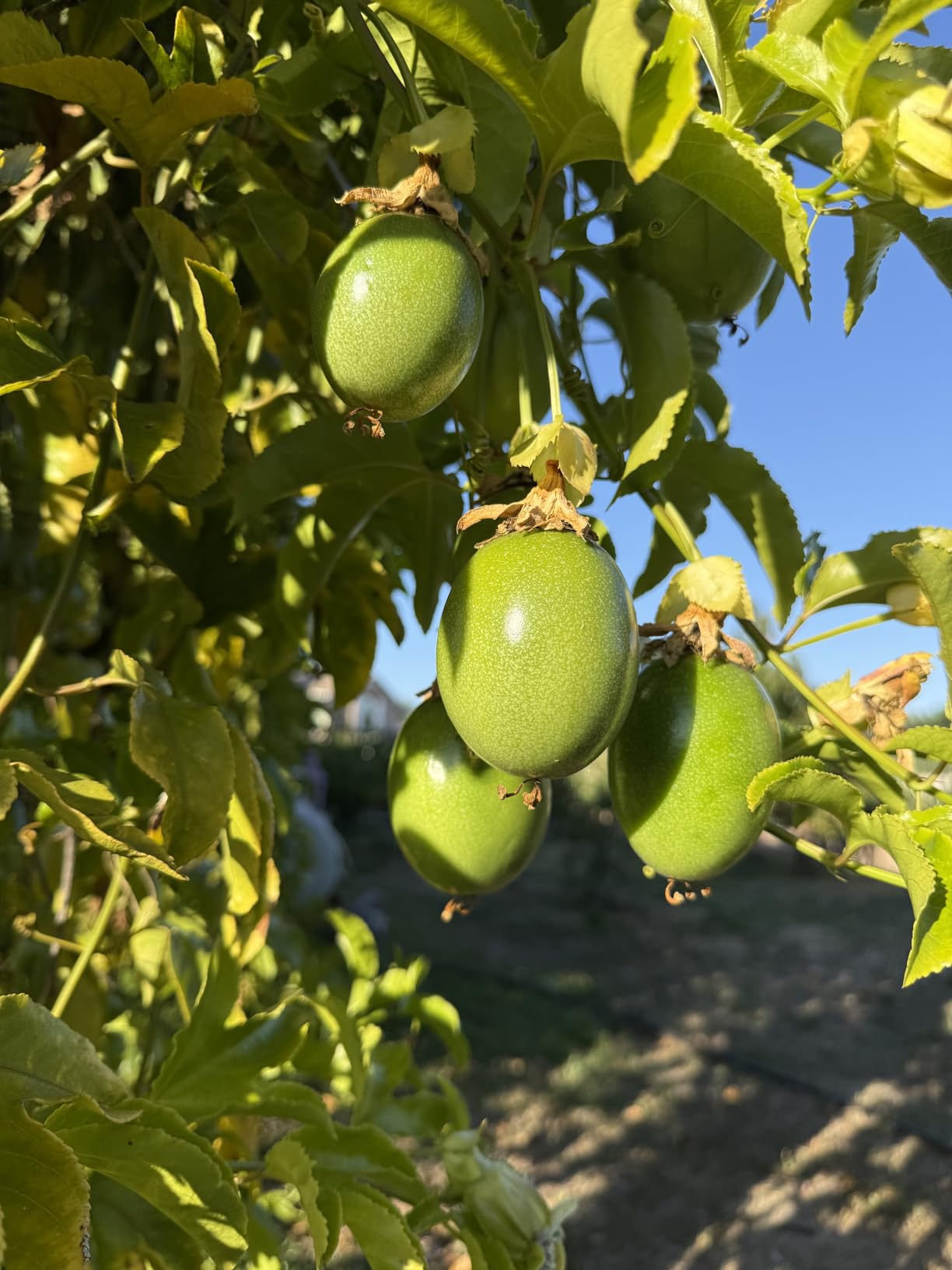
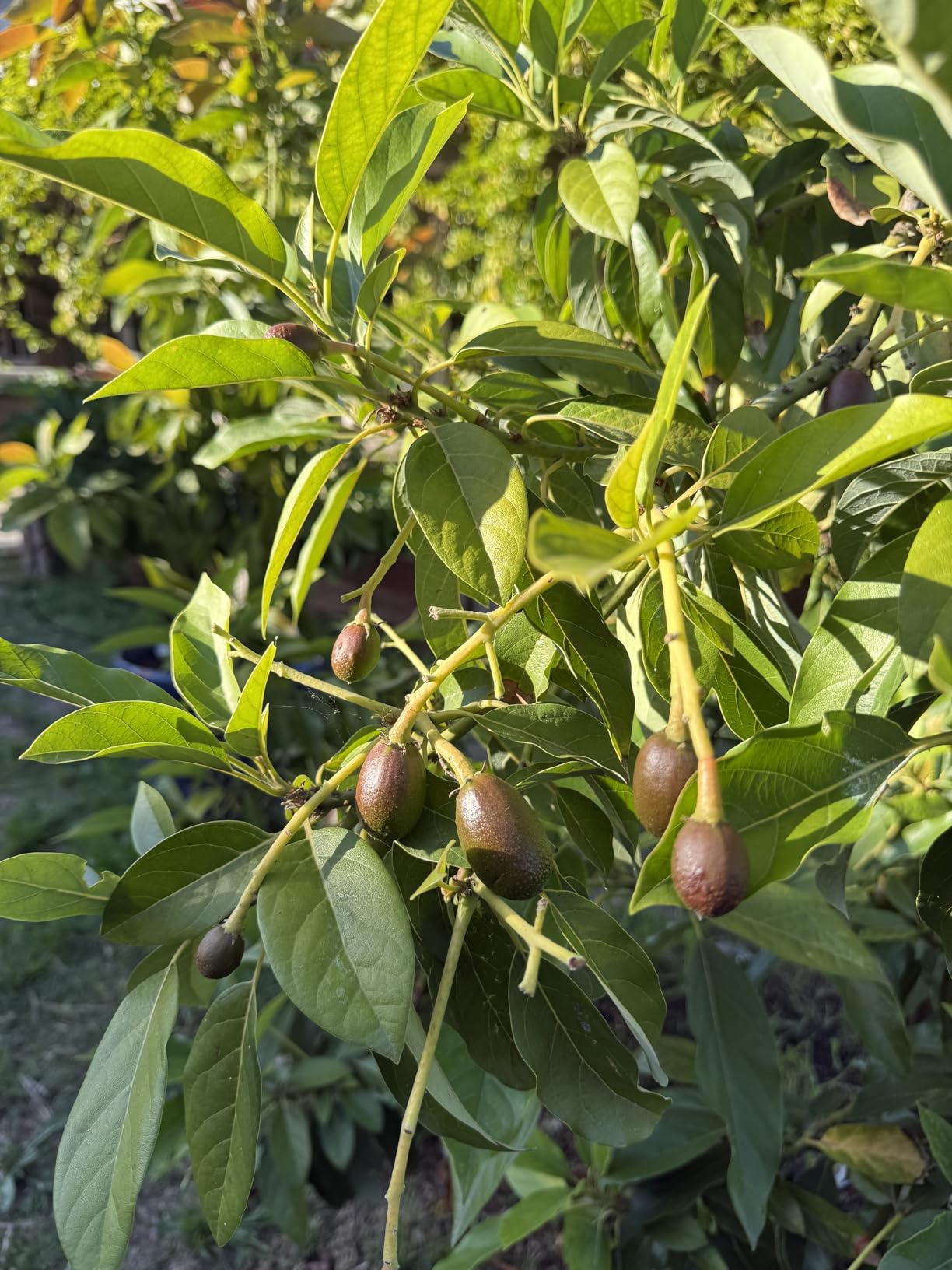
I have been using YARDi Fruit and Bloom on my avocado tree and my passion fruit vine and I am really impressed with the results. Both plants look healthy, the leaves are vibrant, and this season I am seeing a great yield with lots of growing fruit. It is easy to use and really seems to support strong growth and fruit production.

Lindsay

Amazing one-part fertilizer

Reviewed in the United States on May 1, 2026

Verified Purchase

This has been an amazing one-part fertilizer for all my vegetables. I have seen fast, visible growth, stronger plants, and great overall yield and quality. This is my new go-to moving forward.

Amazon Customer

Superb product

Reviewed in the United States on May 12, 2026

Verified Purchase

This stuff not only came early (much appreciated) but was also VERY carefully wrapped in a very hardy box, in multitudes of bubble wrap and specialized taping over the spout. Am very impressed with how carefully the product arrived. Now we'll see how great it works!

More Than 1,000 Gardeners Are Already Growing More

And we are confident it will do the same for you.

Just imagine...

Walking out to vines so heavy with tomatoes you need both hands.

Roses and dahlias covered in more blooms than you can count.

A harvest basket you cannot carry inside in one trip.

All of that is within reach with Fruit & Bloom.

And here is the best part:

It takes about two minutes a week.

Will This Work in My Garden?

The short answer: if it flowers or fruits, this is the feed for that stage.

Tomatoes, peppers, squash, cucumbers, strawberries, melons, and beans

Roses, dahlias, and flowering ornamentals

Fruit trees and berry bushes

Raised beds, containers, in-ground, indoors or out

Container growers: same teaspoon per gallon, just mix smaller batches on your regular schedule

It is gentle on plants when used as directed, safe for edible crops, and made in Sacramento, CA. And if your garden does not respond, you are covered by the 30-day Grow-or-it's-FREE guarantee.

Ready to Grow More Fruit? Here Is How

...And how much does it cost?

Less than you would think, and a lot less than another wasted season. A single 32 ounce bottle makes up to 192 gallons of feed, so it works out to pennies per feeding.

The Growing Season Is Short. Do Not Miss the Bloom Window.

Here is the catch...

Plants only fruit when conditions are right, and that window does not wait. Every week you feed the wrong thing, or nothing at all, is a week of harvest you do not get back. The best time to start feeding is the moment buds appear.

Sold Direct From YARDi, Not in Big-Box Stores

YARDi Fruit & Bloom Product Image

You will not find Fruit & Bloom on a crowded big-box shelf between fifty other bags. We sell it direct, so we can keep the quality high, the formula honest, and the price fair, and so we can put a free Harvest Handbook in every order.

One Bottle. Pennies Per Feeding.

A single 32 ounce bottle makes up to 192 gallons of feed.

That is an entire season for most gardens, for less than the cost of a few grocery-store tomatoes, the kind that were picked green and shipped across the country.

One bottle provides season-long feeding

Makes up to 192 gallons, so it lasts and lasts.

Costs less than the produce it replaces.

Deep down, you already know the math works.

And right now, it is an even easier yes.

Two Ways August Can Go

Path one: change nothing. If your plants are already loaded, keep doing exactly what you are doing. But if August keeps handing you leaves instead of fruit, it will probably keep doing that for as long as the feed stays the same.

Path two: feed the bloom window on purpose. About 16 cents a gallon and two minutes a week, from first buds through harvest. If your basket does not look different, email us within 30 days and it is free. That is the whole risk.

Bundle and Save, Plus a Free Harvest Handbook in Every Order

Every order ships with our FREE Harvest Handbook (a $29 value), the same feeding playbook serious growers use to time their bloom feedings for the biggest possible harvest.

Stock up for the season with a 2 or 3-bottle bundle and you also unlock free shipping and your best price per bottle.

It is the easiest upgrade you will make to your garden all year.

Try It Totally Risk-Free With Our Grow-or-it's-FREE Guarantee

That is not a typo.

Feed Fruit & Bloom for 30 days.

If you do not see more buds and better fruit set, email us for a full refund, and keep the bottle. The only real risk is another season of all leaves and no fruit.

Here Is Your Next Step

Tap the button below and you will land on our secure checkout, where you can grab a single bottle or stock up for the season and claim your free Harvest Handbook. It takes about a minute.

Remember, There Is Zero Risk

The only thing you have to lose is another season of staring at a beautiful, leafy plant with nothing to pick, and the regret of wondering what your garden could have grown.

And think about what is really on the other side of this.

It is not just more tomatoes. It is handing your kid something you grew. It is a table full of food that came from your own backyard. That is the whole reason you started.

Start feeding this season, while the window is open.

You deserve a garden that actually produces.

Grow the harvest you can hand to the people you love.

More than 1,000 gardeners have already made the switch. You can join them.

All it takes is one small step, and one feeding at the right time.

From one gardener to another: I hope this August it is your neighbor standing at the fence, asking what you did.

DISCLAIMER: Always read and follow the product label directions. Results vary based on plant type, climate, soil, and growing conditions. YARDi Fruit & Bloom is a plant fertilizer and is not intended for human or animal consumption.